Schumacher Gut Science Lab
Tissue immunity and epithelial re-modeling in IBD
Our lab is focused on discovering new regenerative medicine approaches and therapeutic targets for intestinal inflammatory diseases like ulcerative colitis and Crohn’s disease.
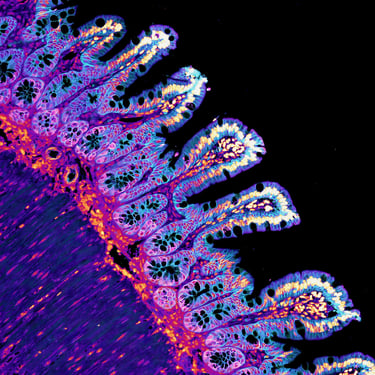
What we study
Why study this?
The function and composition of the gastrointestinal tract is dynamically regulated to maintain homeostasis and appropriately respond to injury, inflammation and infection. Inadequate responses can lead to acute and long-term disease.
Our goal is to identify and harness key regulatory circuits that control tissue re-modeling to limit intestinal injury and promote mucosal healing in IBD.
We study immune and epithelial drivers of tissue remodeling, function, and regeneration in the gut. In particular, we look at how stem and secretory cells are regulated to promote intestinal health and the response to disease.
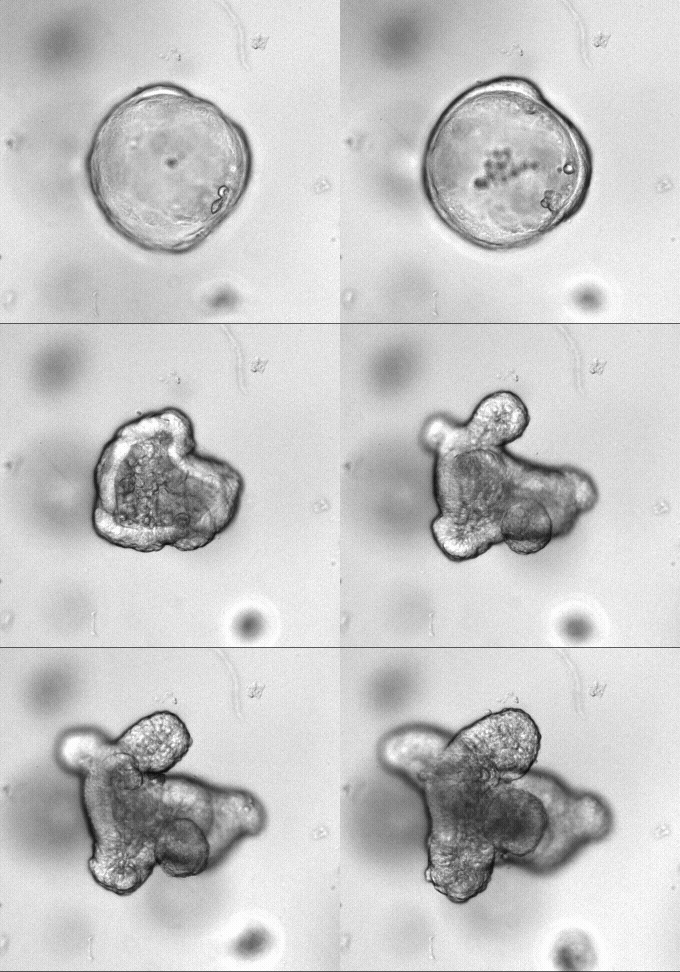
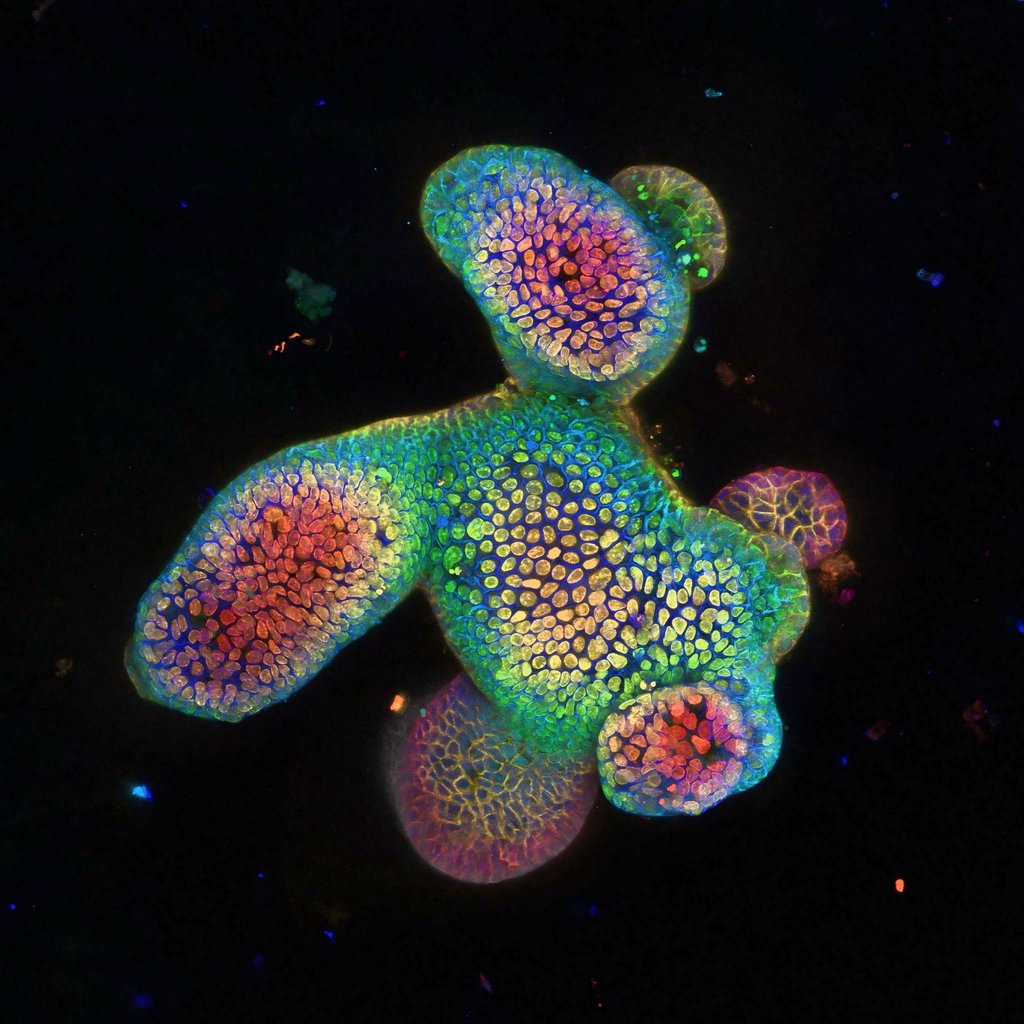
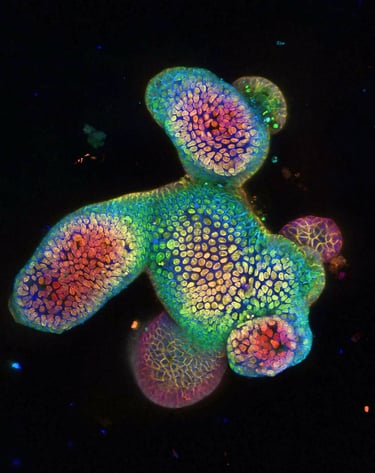
Growing the gut
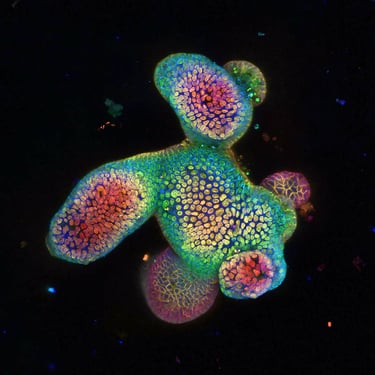
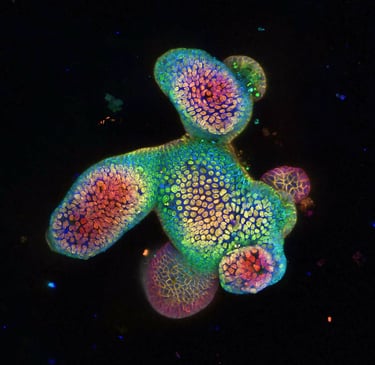
Organoid modeling enables us to understand human intestinal stem cell biology and the response to disease
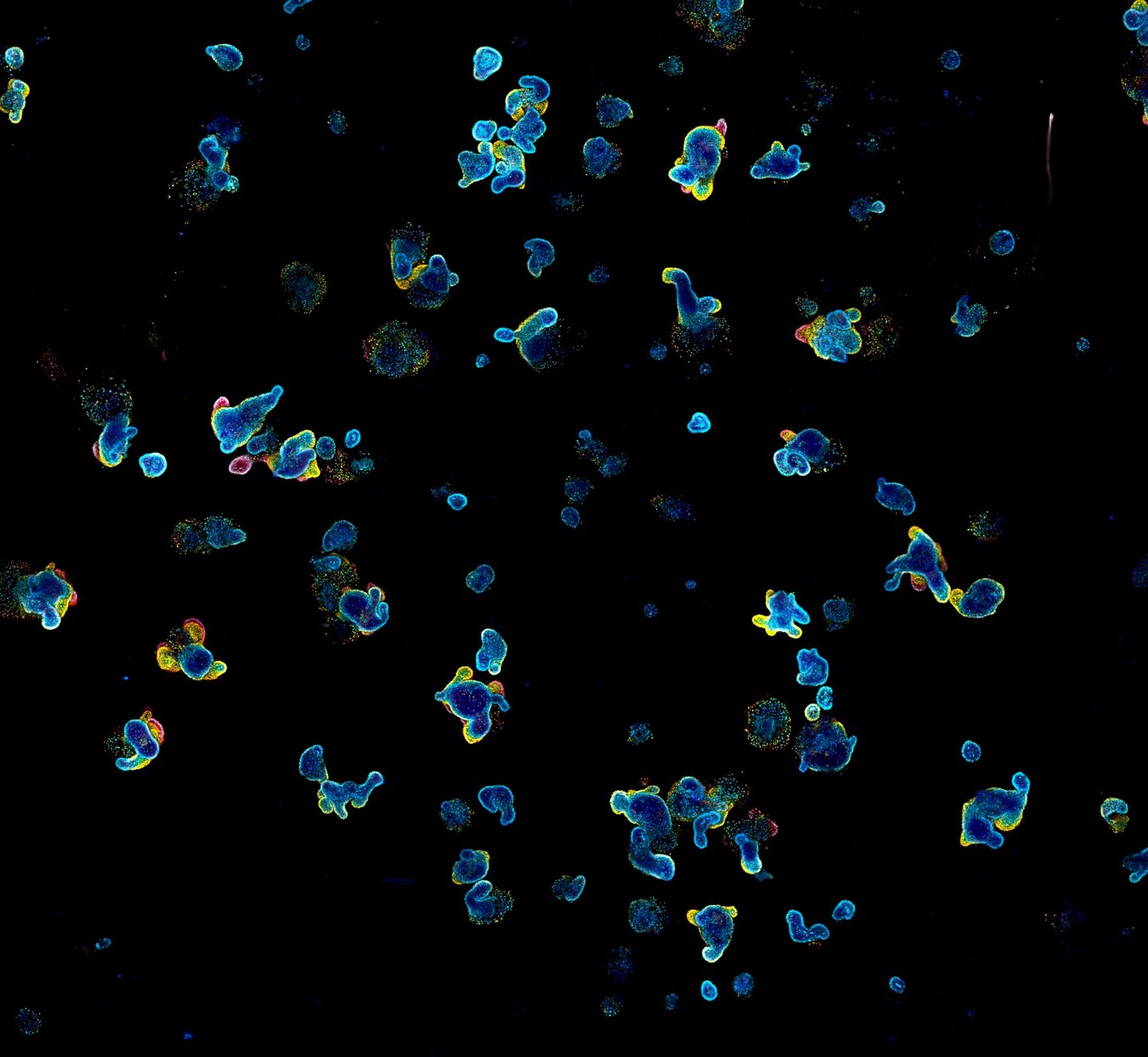
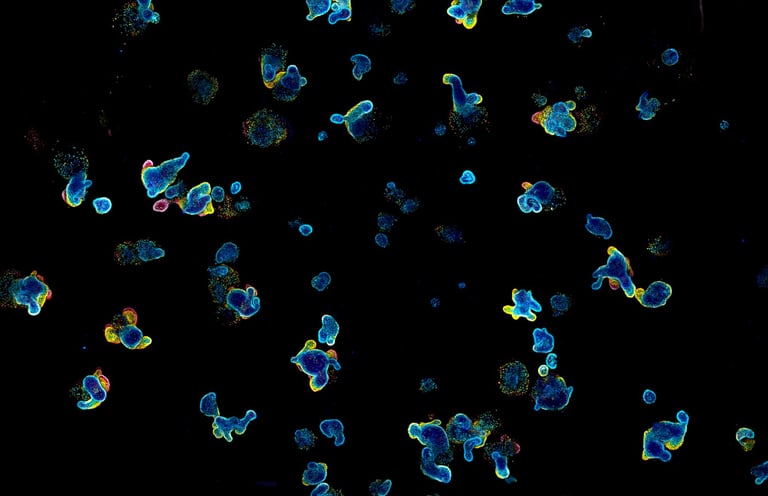
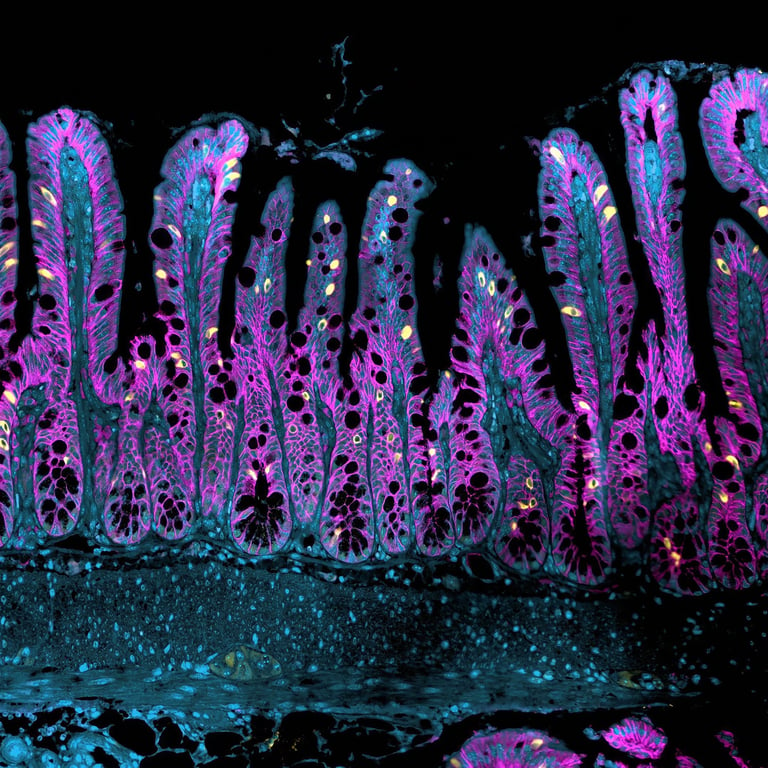
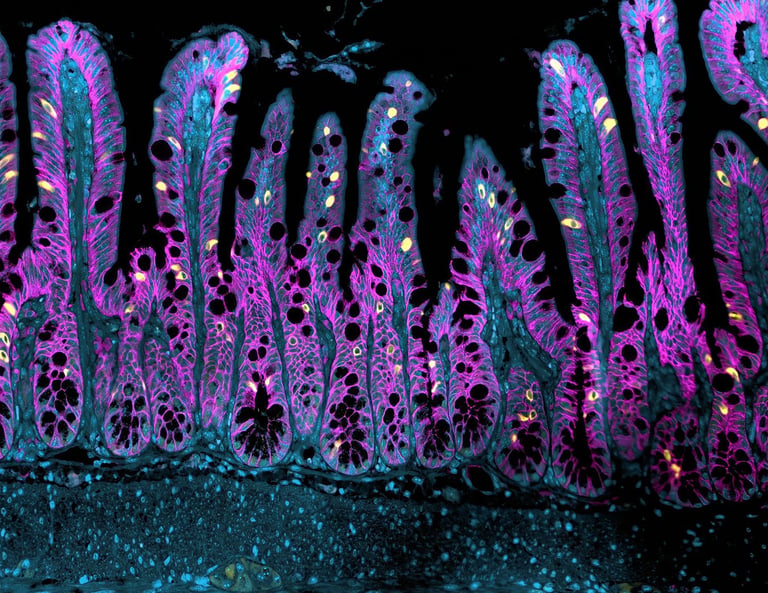
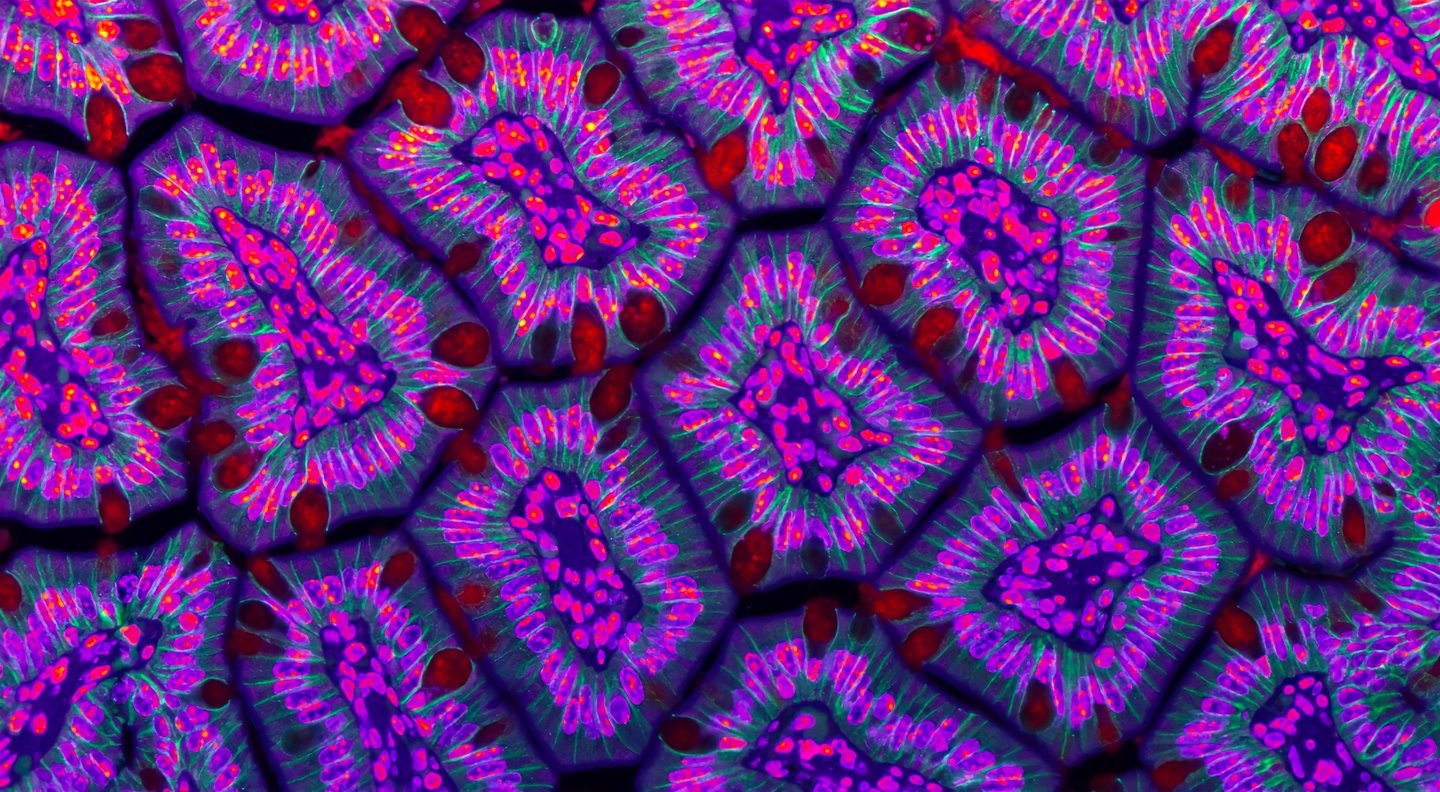
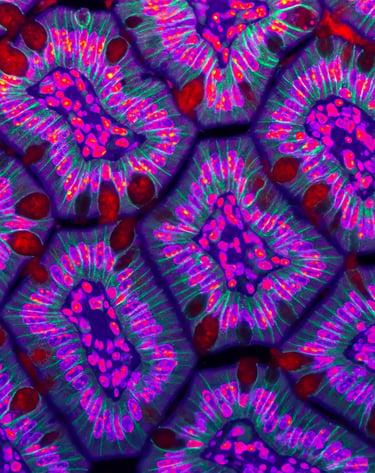
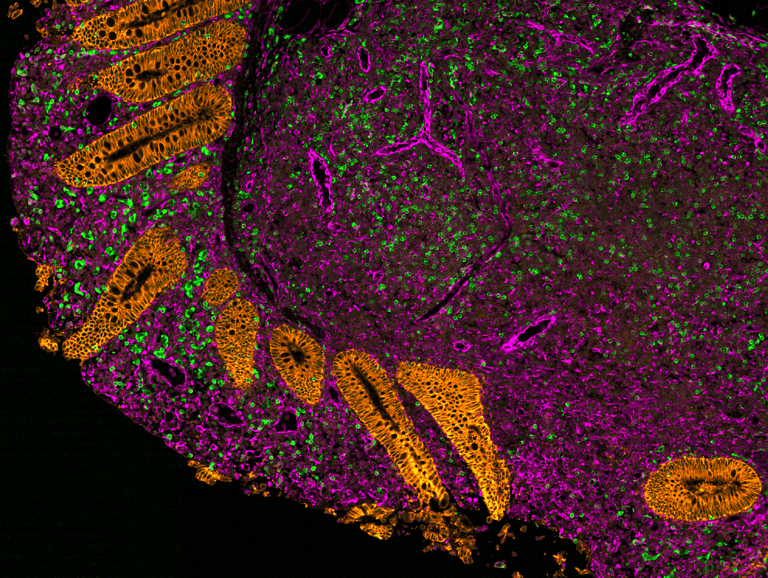
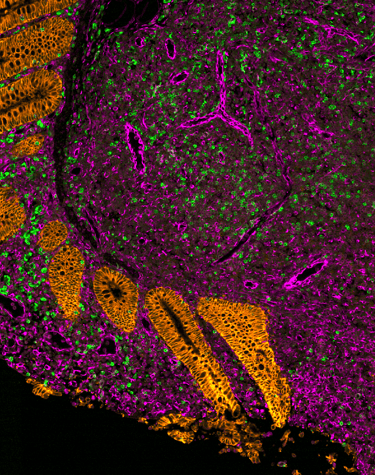
Imaging the gut
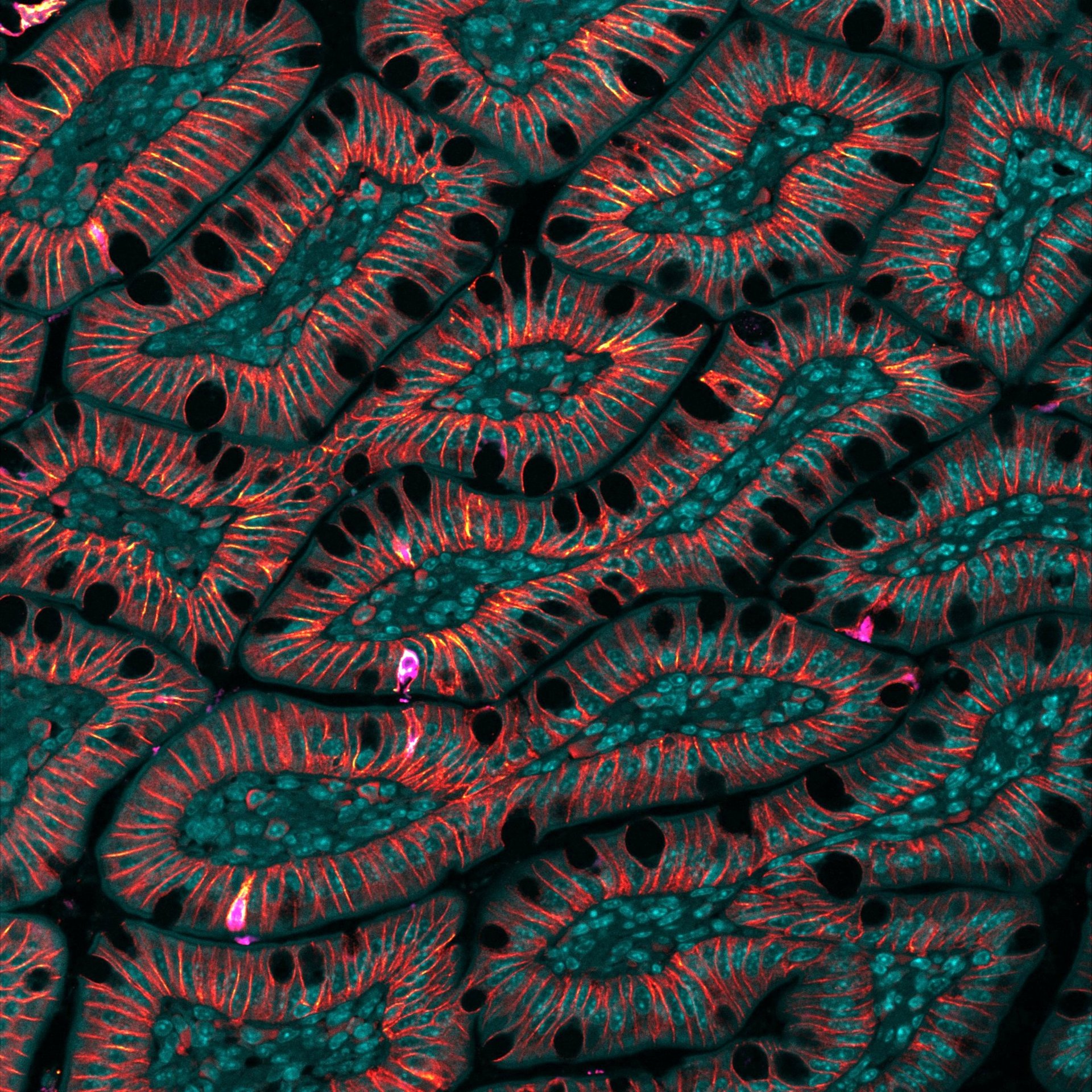
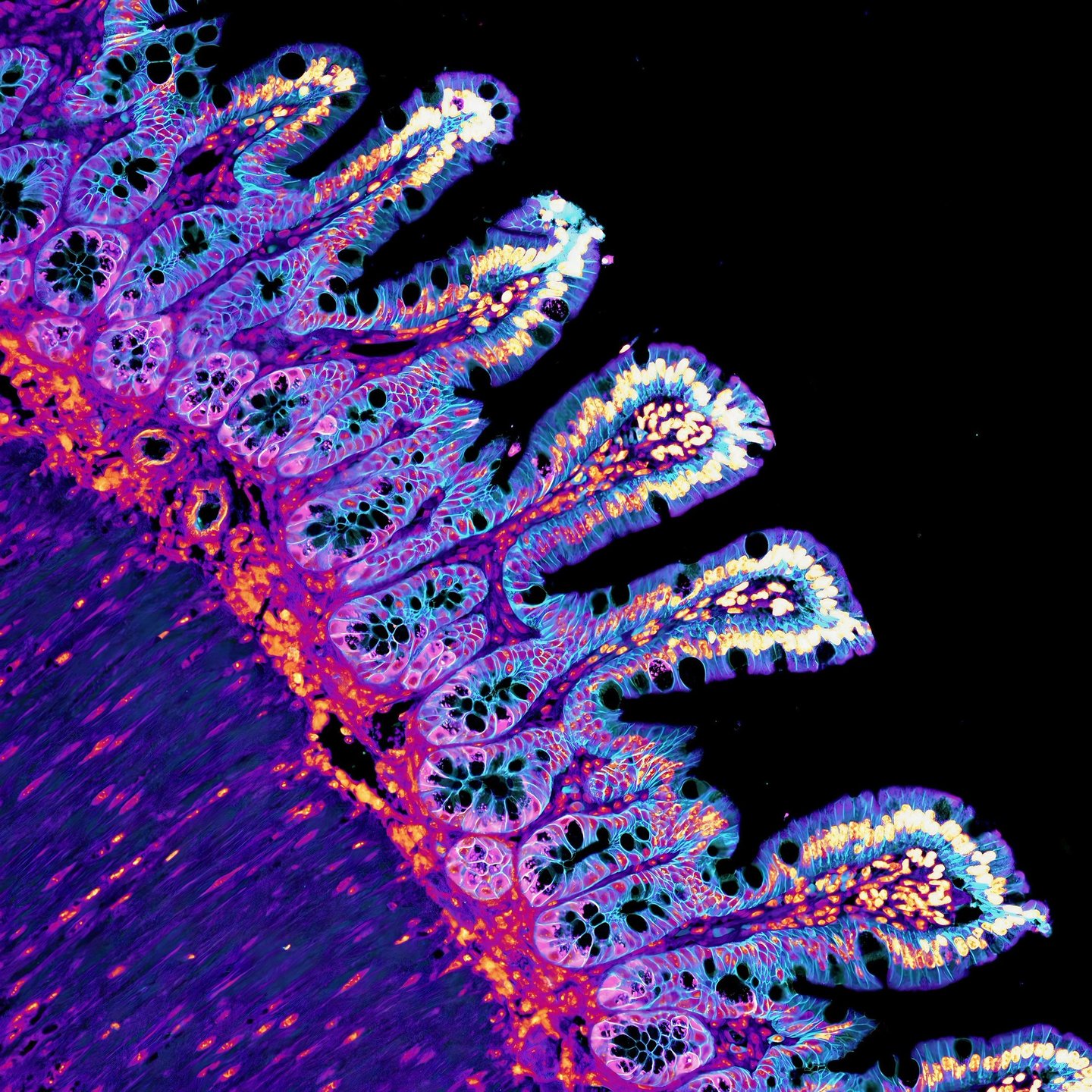
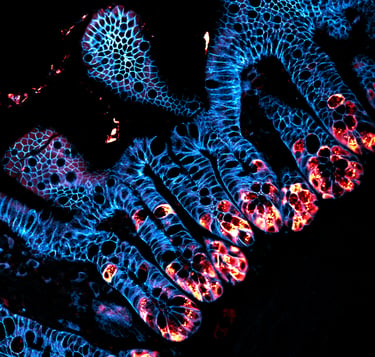
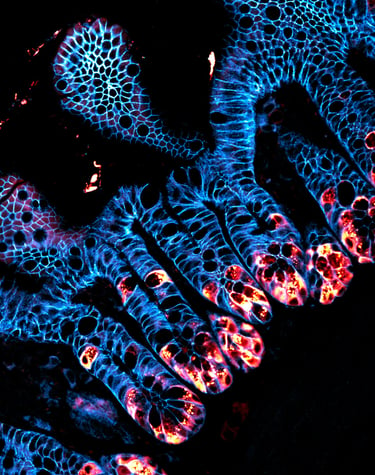
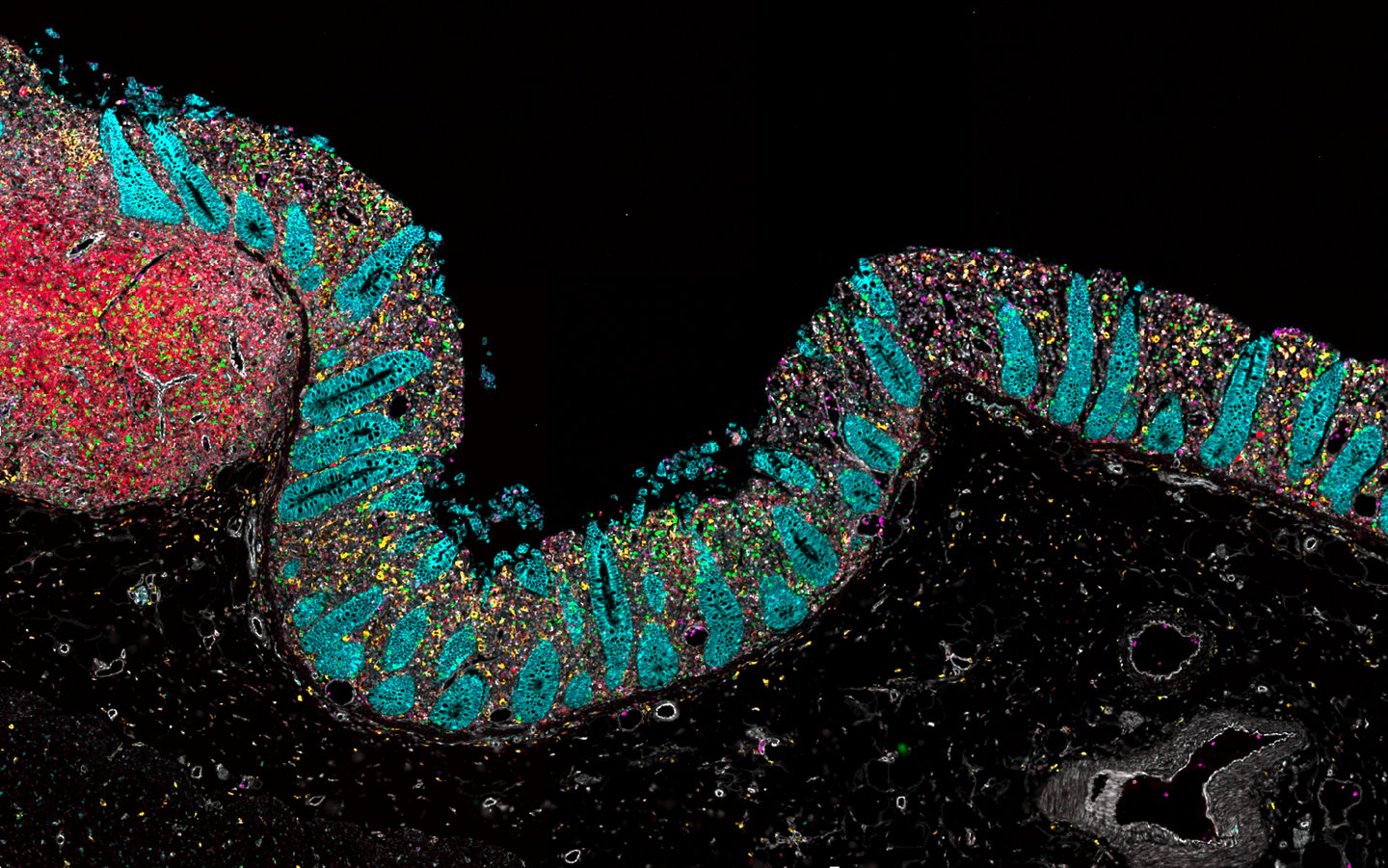
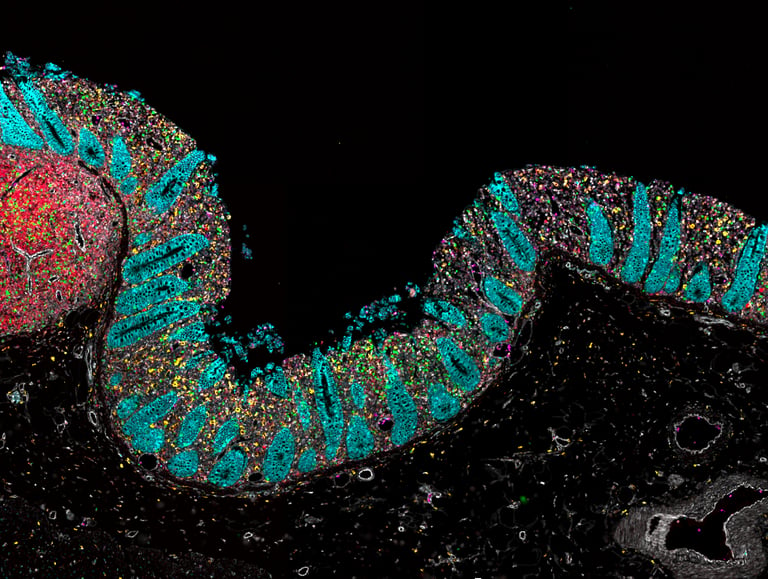
Microscopy is a key driver of discovery in our lab and allows us to see tissue & immune re-modeling at the cellular level
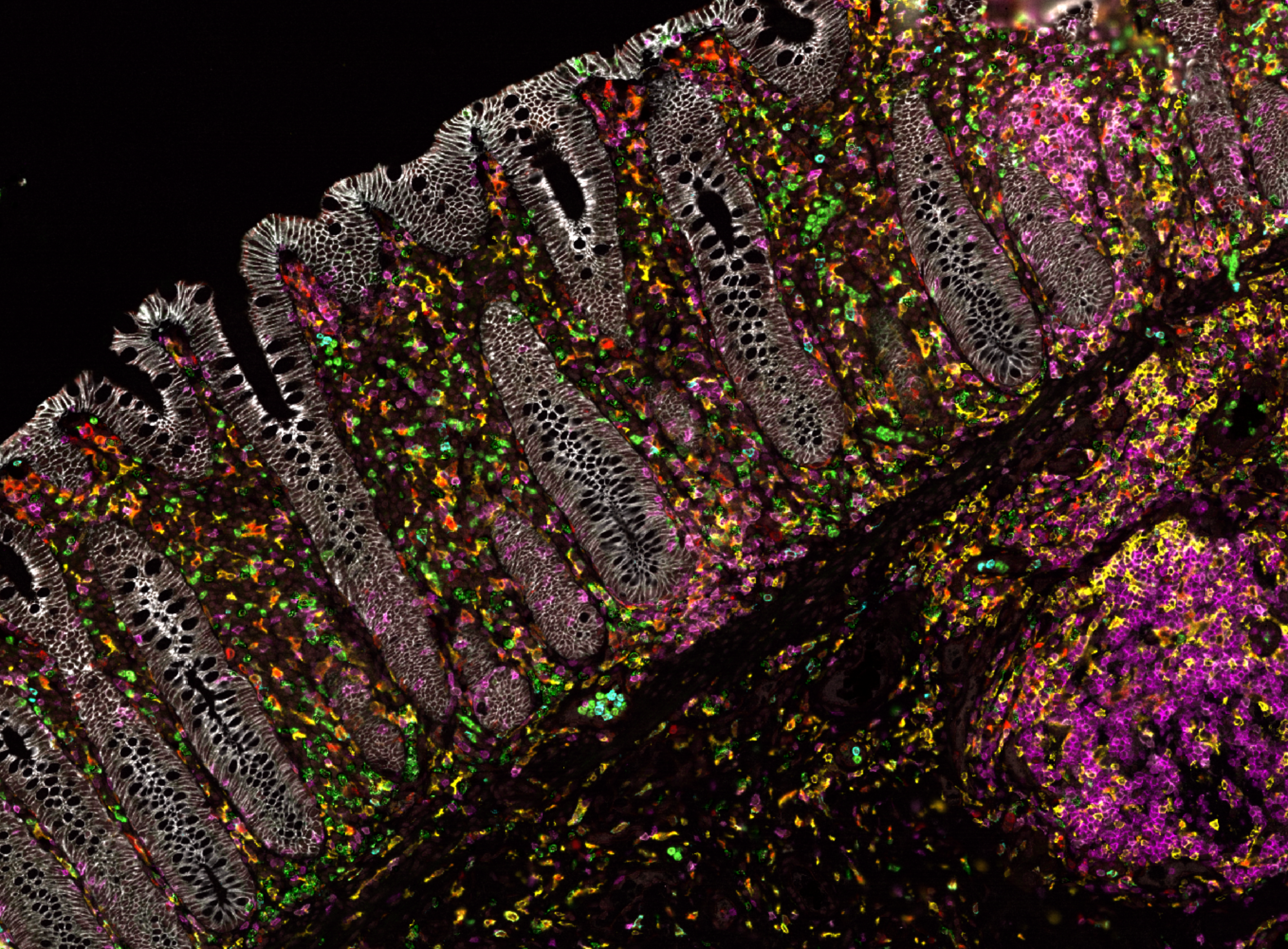
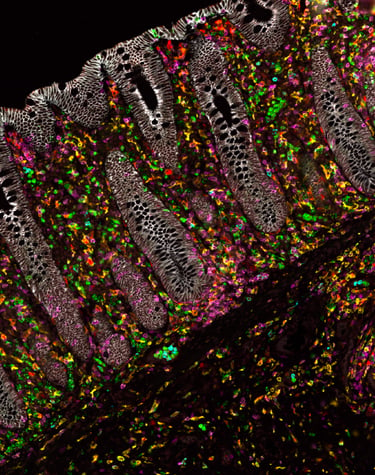
Mapping the gut
Spatial transcriptomics & proteomics allow us to understand cellular communication networks in the intestinal stem cell niche
Profiling the gut
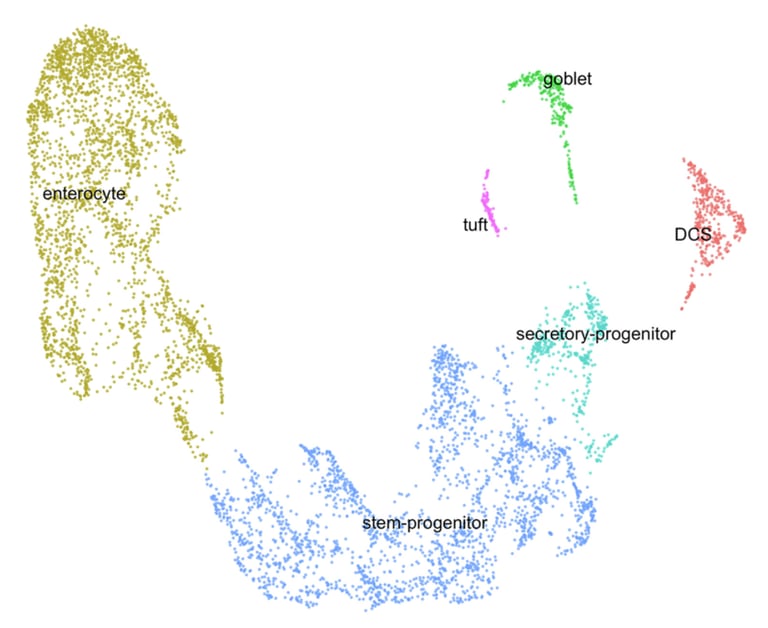
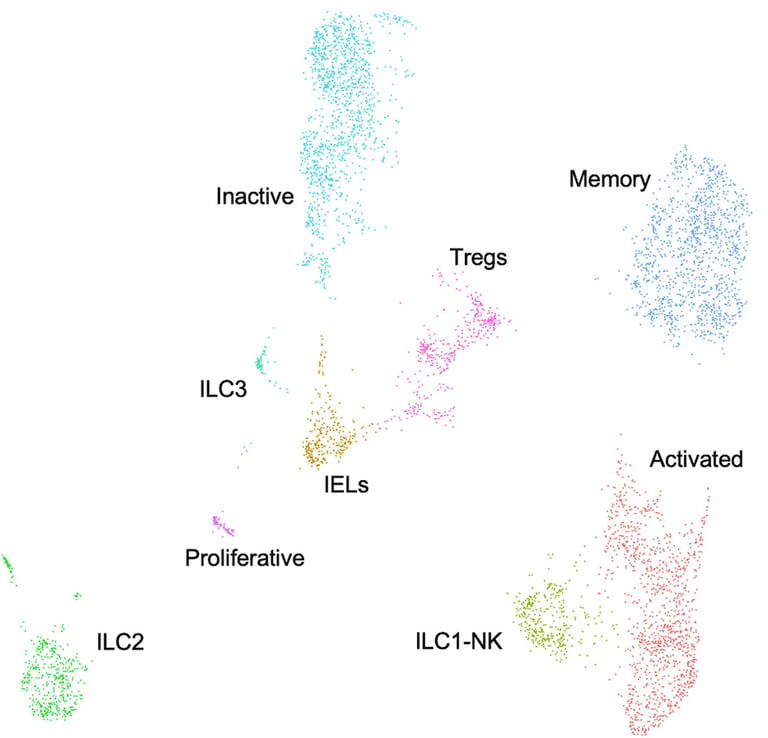
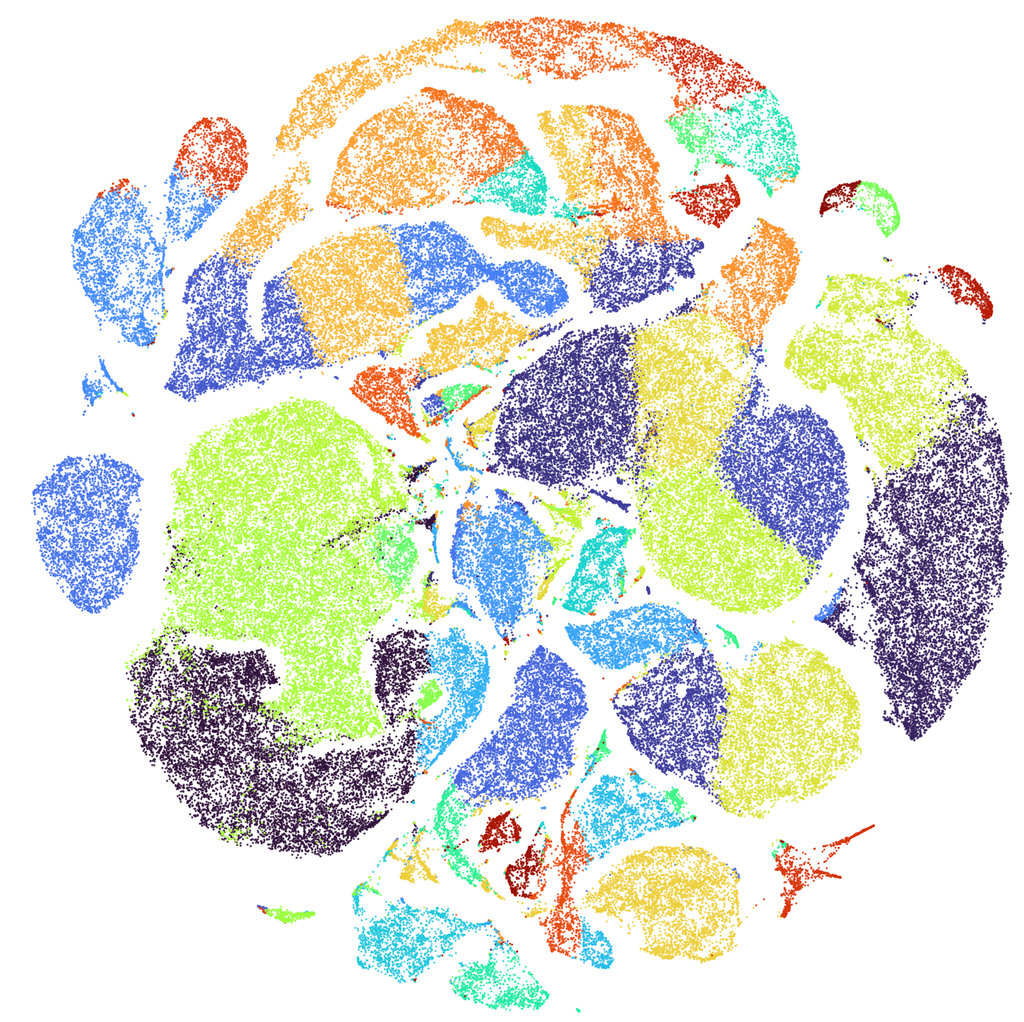
Transcriptomic sequencing in experimental models of inflammation allows us to test cell-driven pathophysiological mechanisms of IBD
Featured publications
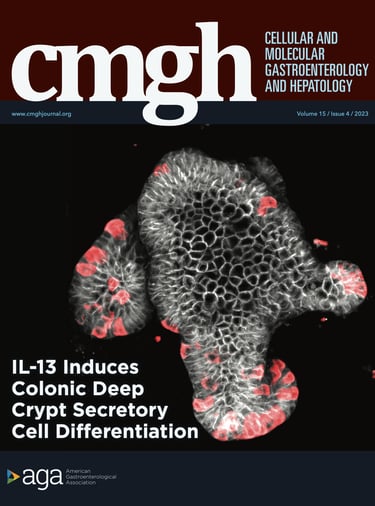
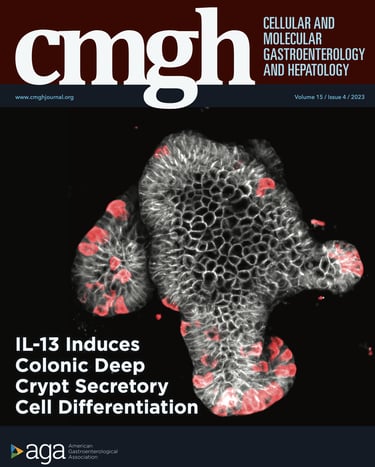
Tissue immunity regulates colonic deep crypt secretory (DCS) cells
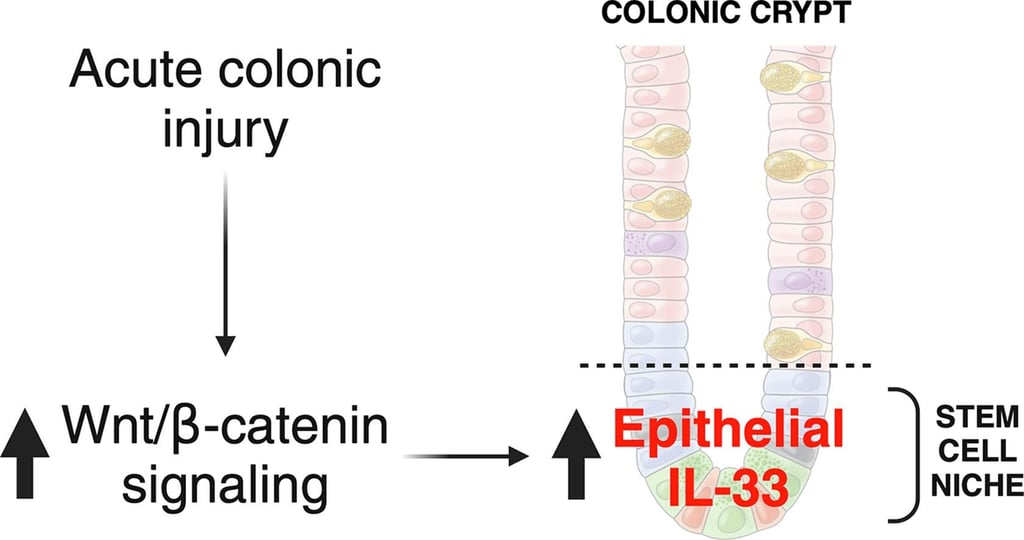
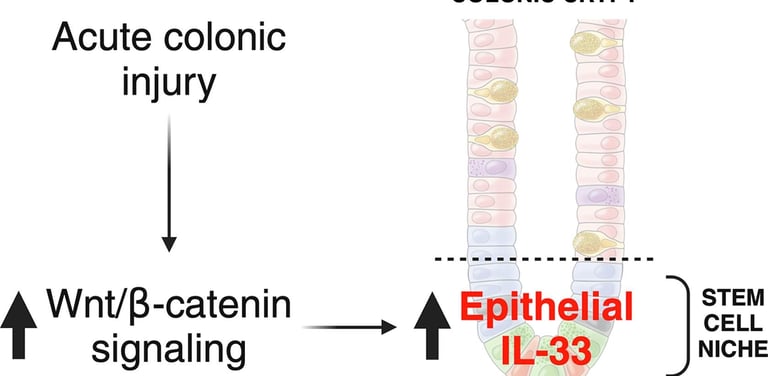
Stem cells are an immunological niche in the colon
Mucosal Immunology
Full publication list available at: Google Scholar
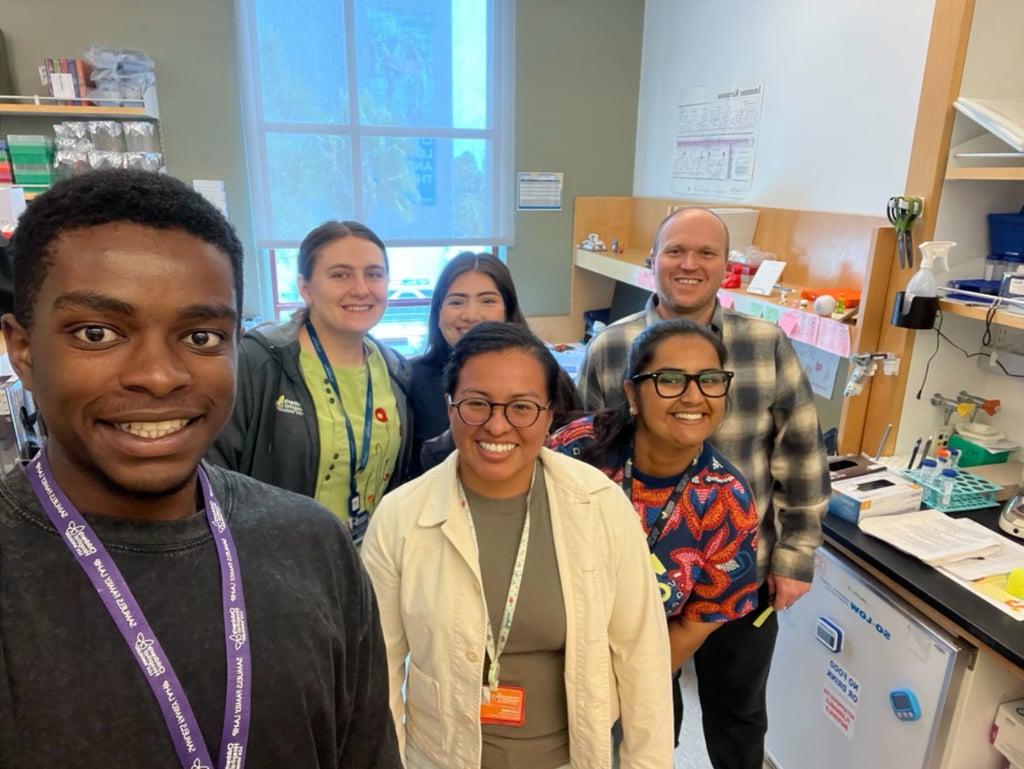
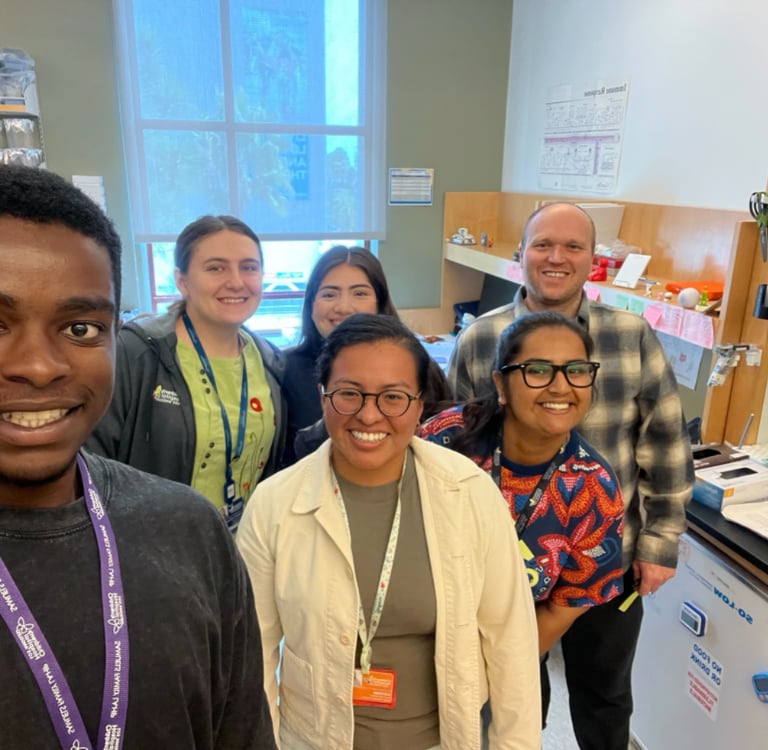
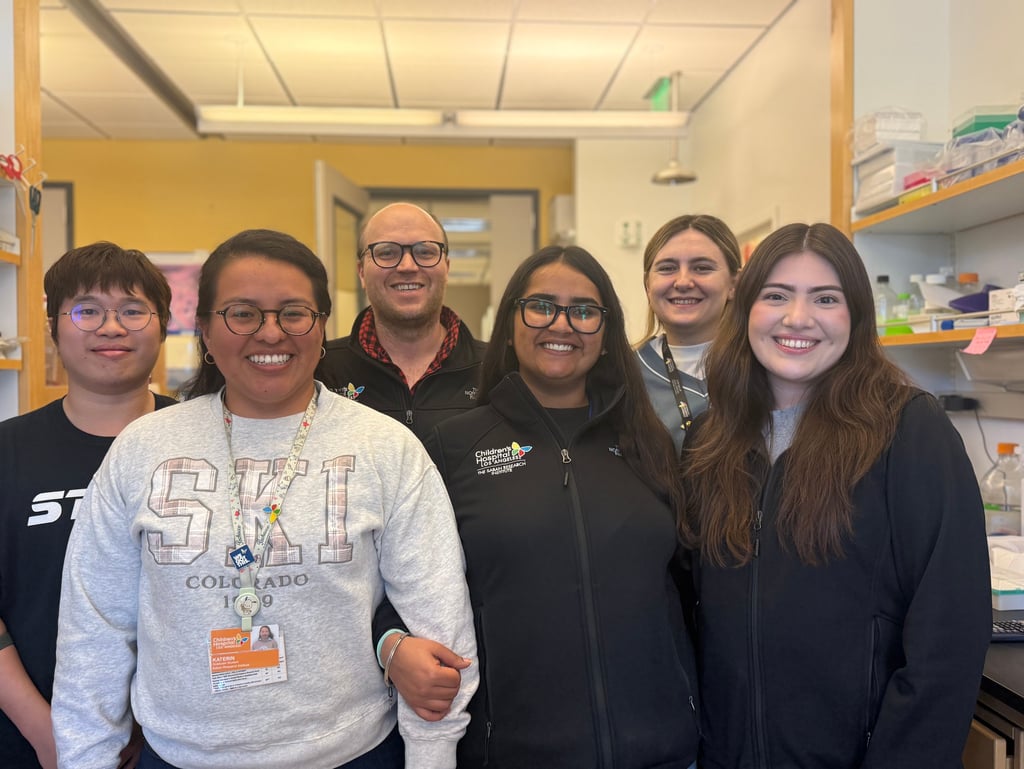
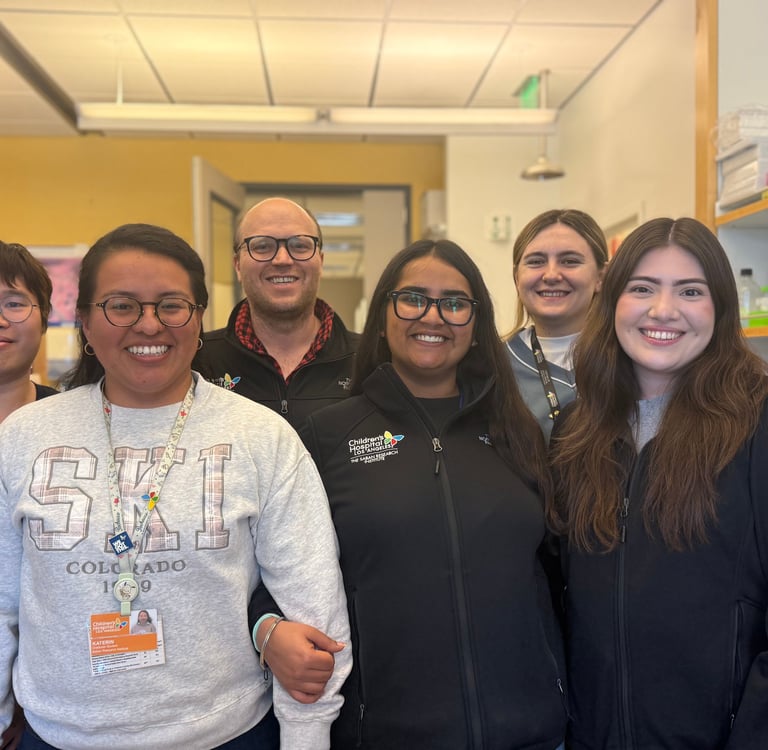
The Gut Science Lab Team
Research and Grant Support:



Supported by grants from the National Institute of Diabetes and Digestive and Kidney Diseases
Updates
Join our list to be notified of new findings
Contact
We are a team science lab; reach out for collaborations or inquiries @ the e-mail listed at Stanford profiles
Links
Stanford profiles: Michael Schumacher, PhD